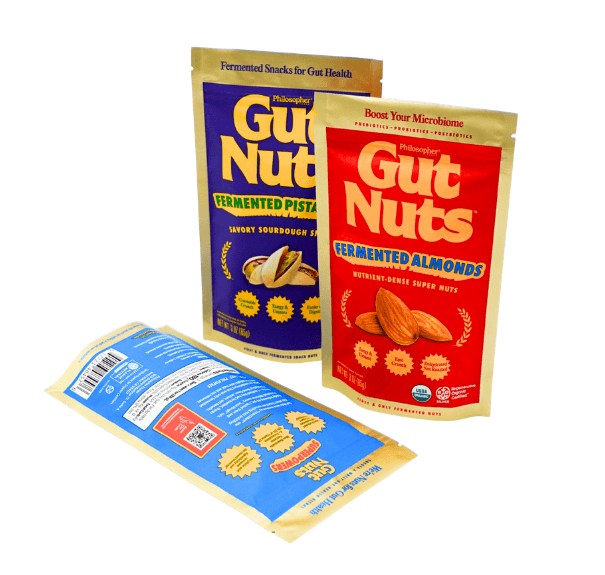
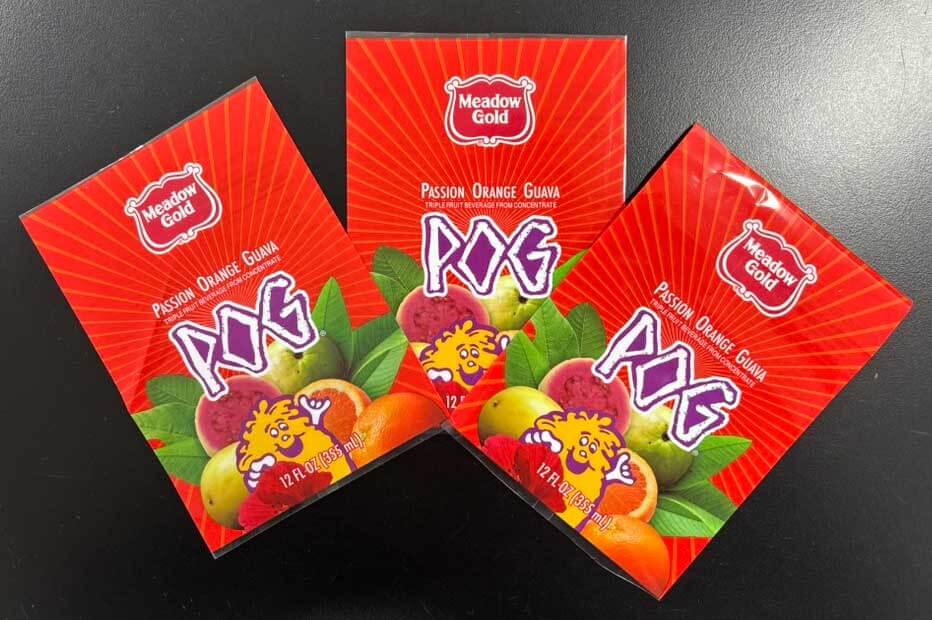
The versatility and effectiveness of shrink film technology have made it one of the most widely adopted packaging solutions across diverse industries, providing exceptional product protection, tamper evidence, and visual appeal at competitive costs. At Packaging Options USA, we’ve implemented shrink film solutions for a wide range of applications, from multi-pack beverages to, understanding both the significant benefits this technology offers and the environmental challenges it presents.
As sustainability concerns intensify and innovative materials emerge, brands must carefully evaluate when shrink film represents the optimal packaging choice and when sustainable alternatives might better serve their needs. This comprehensive analysis provides the framework brands need to make informed decisions about incorporating shrink film into their packaging strategies while considering environmental impact and long-term sustainability objectives.
Understanding Shrink Film Technology
Shrink film functions through controlled molecular orientation during manufacturing, which creates internal stress within the polymer structure. When heat is applied during packaging, these stressed molecules relax and contract, causing the film to shrink tightly around products while maintaining clarity and strength. This process creates custom-fit packaging that conforms precisely to product contours, providing exceptional protection against tampering, contamination, and physical damage.
Different shrink film types offer varying characteristics suited to specific applications. Polyolefin films offer excellent clarity and strength, and are FDA-approved for direct food contact. PVC films offer superior shrinkage properties and cost-effectiveness for non-food applications. Polyethylene films deliver exceptional puncture resistance for heavy or sharp-edged products. Each material requires specific temperature and shrinkage parameters to achieve optimal performance.
The shrinking process can be controlled to achieve different levels of tightness, ranging from loose wrapping that maintains product visibility to tight conforming that provides maximum protection and tamper-evident security. This flexibility makes shrink film adaptable to a wide range of product configurations and protection requirements.
Primary Applications for Shrink Film
Shrink film technology serves multiple packaging functions across industries, ranging from consumer goods to industrial applications. Bundling represents one of the most common uses, enabling multiple products to be packaged together for retail sale or distribution efficiency. This approach reduces handling costs while creating larger package formats that provide better shelf presence and reduce per-unit packaging costs.
Tamper evidence represents another critical application, with shrink film providing a visual indication of package integrity that protects both consumers and brands from contamination or product tampering. The tight, conforming nature of shrunken film makes it nearly impossible to access products without obvious evidence of tampering.
Protection against contamination makes shrink film valuable for sterile or sensitive products that require barrier protection from environmental contaminants. The complete encapsulation possible with shrink film creates effective shields against dust, moisture, and other environmental hazards that could compromise product quality or safety.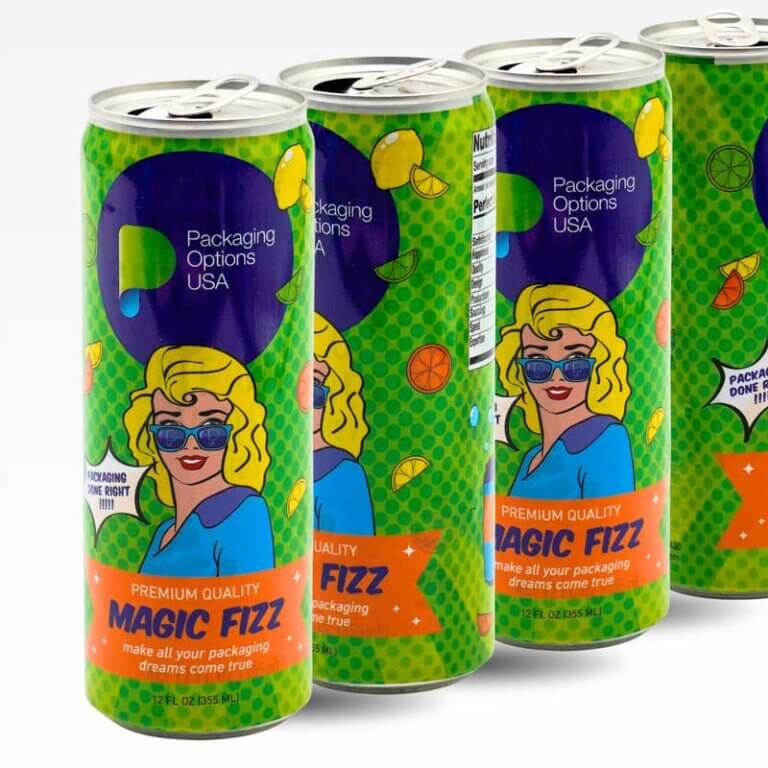
Food and Beverage Applications
- Multi-pack beverage bundling providing cost-effective retail packaging while maintaining individual product accessibility
- Fresh produce protection extending shelf life through controlled atmosphere packaging with specialized shrink films
- Frozen food packaging offering excellent low-temperature performance and maintaining package integrity during temperature fluctuations
- Bakery product protection providing moisture barriers while maintaining visual appeal and freshness
- Confectionery packaging enabling attractive presentation while protecting against contamination and providing tamper evidence
- Dairy product packaging offering excellent clarity and conforming properties for irregularly shaped containers and beverage cans.
Consumer Goods and Retail Applications
Shrink film offers exceptional versatility for packaging a wide range of consumer products, from electronics to household goods. The ability to create custom-fit packaging eliminates the need for separate boxes or containers while providing excellent product visibility that supports retail sales. Electronics packaging benefits from the static-dissipative properties and excellent puncture resistance of shrink film, which protects against physical damage during distribution.
Toy and game packaging utilizes shrink film’s clarity and conforming properties to create attractive retail presentations while providing tamper evidence and theft deterrence. Books, magazines, and media products benefit from moisture protection and reduced packaging costs compared to traditional boxing approaches.
Promotional packaging applications leverage shrink film’s ability to bundle products with samples, premiums, or promotional materials while maintaining package integrity throughout distribution. Our complimentary design services help optimize branded shrink sleeves for both product protection and marketing impact.
Industrial and B2B Applications
Industrial applications of shrink film often emphasize heavy-duty protection and cost efficiency over retail presentation. Pallet wrapping with shrink film offers superior load stabilization compared to stretch film, while providing better protection against environmental contamination. Building materials, automotive parts, and machinery components benefit from shrink film’s ability to provide complete encapsulation protection during long-term storage or international shipping.
The chemical and pharmaceutical industries utilize specialized shrink films that resist chemical interaction while providing tamper-evident features and ensuring regulatory compliance. The ability to print directly on shrink film enables the incorporation of regulatory labeling, tracking information, and brand identification without the need for separate labels or marking systems.
Aerospace and defense applications leverage shrink film’s ability to provide hermetic sealing for sensitive components while maintaining visual inspection capability. The conforming properties enable the packaging of complex shapes that would require expensive custom containers using alternative packaging approaches.
Benefits of Traditional Shrink Film
- Exceptional clarity providing complete product visibility for consumer evaluation and quality inspection
- Custom-fit protection conforming precisely to product shapes while minimizing material consumption
- Cost-effectiveness delivering protection and presentation at lower costs than rigid packaging alternatives
- Tamper evidence providing immediate visual indication of package integrity compromise
- Versatility accommodating products ranging from individual items to complex multi-component assemblies
- Temperature stability maintaining performance across wide temperature ranges from frozen to heated environments
- Excellent printability enabling high-quality graphics, branding, and regulatory information directly on packaging.
Environmental Concerns and Challenges
Despite its functional advantages, traditional shrink film presents significant environmental challenges that are increasingly concerning to brands and consumers. Most shrink films are derived from petroleum-based polymers, which contribute to fossil fuel consumption and carbon emissions during production. The thin-gauge materials used in shrink film applications often prove difficult to recycle through conventional waste streams, leading to accumulation in landfills or environmental contamination.
The single-use nature of most shrink film applications means that materials serve brief functional periods before requiring disposal, creating waste streams that persist in the environment for decades or even centuries. Ocean pollution is a particular concern, as lightweight shrink film materials are easily transported by wind and water currents to aquatic environments, posing threats to marine life.
Consumer disposal confusion often results in shrink film entering inappropriate waste streams, contaminating recycling processes, or ending up in systems not equipped to handle these materials properly. According to Environmental Protection Agency data, plastic film materials, including shrink film, account for less than 5% of plastic recycling despite representing substantial portions of plastic waste generation.
Sustainable Shrink Film Alternatives
- Bio-based shrink films derived from renewable plant materials offering comparable performance with improved end-of-life outcomes
- Compostable shrink films certified for industrial composting facilities enabling complete biodegradation within controlled timeframes
- Recyclable mono-material films designed for compatibility with existing plastic recycling infrastructure
- Paper-based shrink alternatives providing biodegradability while maintaining conforming and protective properties
- Reusable shrink sleeves designed for multiple use cycles in closed-loop packaging systems
- Water-soluble films for applications where complete dissolution provides environmental benefits
Bio-Based Shrink Films
Plant-derived shrink films represent one of the most promising sustainable alternatives, utilizing renewable feedstocks such as corn, sugarcane, or potato starch to create polymers with shrinkage characteristics comparable to those of petroleum-based materials. PLA-based shrink films provide excellent clarity and printability while being compostable under industrial conditions. These materials work particularly well for short-term packaging applications where rapid biodegradation provides environmental benefits.
Starch-based shrink films offer water solubility or biodegradability depending on formulation, making them suitable for applications where conventional disposal creates environmental concerns. Modified cellulose films provide shrinkage properties while maintaining complete biodegradability and renewable sourcing credentials.
Performance characteristics of bio-based shrink films continue improving through advanced polymer science and processing techniques, with latest generation materials achieving shrinkage rates and clarity levels approaching conventional films. Cost premiums for bio-based alternatives continue declining as production scales increase and petroleum-based material costs rise due to environmental regulations.
Recyclable Shrink Film Solutions
Engineering shrink films for improved recyclability focuses on mono-material constructions that avoid multi-layer structures or incompatible material combinations that complicate recycling processes. Metallocene polyethylene shrink films offer excellent performance characteristics, making them compatible with existing LDPE recycling streams when properly collected and sorted.
Clear labeling and consumer education programs help ensure recyclable shrink films enter appropriate waste streams rather than contaminating other recycling processes. Some manufacturers now incorporate recycled content into shrink film production, creating closed-loop systems that reduce demand for virgin materials while maintaining performance standards.
Collection and processing infrastructure improvements enable better capture and recycling of film materials, with specialized recycling programs accepting clean shrink film materials for reprocessing into new packaging or other plastic products. For food packaging applications, food-grade recycled content ensures safety while supporting circular economy principles.
Optimize Your Packaging With Advanced Shrink Film Solutions
Understanding when shrink film provides optimal packaging solutions and when sustainable alternatives better serve your needs requires expertise spanning material science, application engineering, and environmental impact assessment. At Packaging Options USA, we offer comprehensive support for both conventional and sustainable shrink film applications, enabling brands to achieve their objectives for protection, presentation, and sustainability.
Contact us today to discuss how our shrink film expertise can optimize your packaging performance while supporting your environmental and business objectives in an increasingly sustainability-focused marketplace.