- The Push Toward Eco-Friendly Packaging
- Eco-Friendly vs. Sustainable Packaging: What's the Difference?
- Material Innovations Making an Impact
- Circular Economy Design
- Manufacturing With Less Waste
- Helping Customers Understand Eco-Friendly Packaging
- Supply Chain Transformation
- Staying Ahead of Regulations
- Technology Driving Eco-Friendly Packaging
- The Business Case for Eco-Friendly Packaging
- Leading the Shift to Eco-Friendly Packaging
- Frequently Asked Questions
Key Takeaways
- Consumer demand and strict regulations are driving the shift toward eco-friendly packaging.
- Sustainable packaging companies are replacing plastics with advanced bio-based materials.
- Circular economy models eliminate waste by efficiently recovering and reusing materials.
- Upgrading to green packaging reduces long-term costs and justifies premium product pricing.
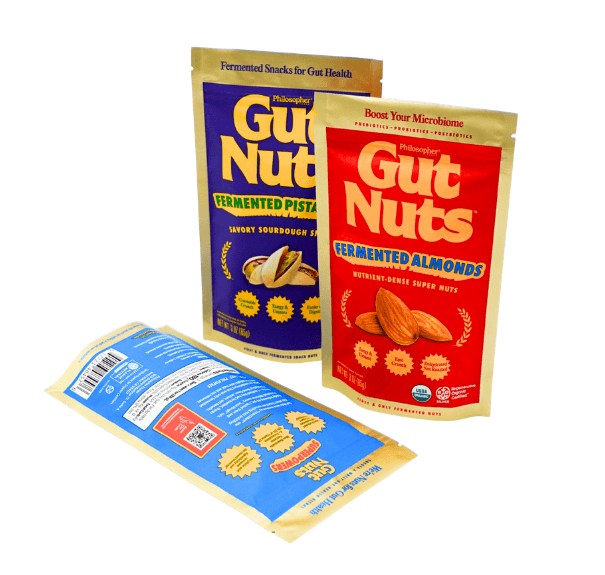
The packaging industry is going through its biggest change in decades. Eco-friendly packaging companies are leading the shift, proving that better environmental choices don’t have to mean lower performance or higher costs.
At Packaging Options USA, we sit at the center of this change. We connect brands with the right manufacturers, help optimize supply chains, and build stronger consumer engagement strategies. The best eco-friendly packaging companies know that real change touches every step of the process, from development to disposal.
The Push Toward Eco-Friendly Packaging
Several forces are pushing brands toward eco-friendly packaging. Consumer demand has grown from a nice-to-have into a real purchase driver. Research shows 73% of global consumers are now willing to pay more for sustainable packaging, and that number keeps climbing among younger shoppers who choose brands based on real environmental commitment.
Governments are adding pressure too. Extended producer responsibility programs, plastic taxes, and new waste rules are changing the math on traditional packaging. The European Union’s circular economy rules are becoming a model for other countries, while individual states and cities are adding their own rules that push the industry further toward eco-friendly alternatives.
Corporate sustainability goals have also grown from marketing talk into real business strategy, backed by budgets and measurable targets. Our packaging solutions help brands handle this shift while hitting both environmental and business goals. Many food product makers now see that eco-friendly packaging, including newer sustainable formats, can match traditional shelf life and protection. That opens the door to premium pricing that protects margins.
Eco-Friendly vs. Sustainable Packaging: What’s the Difference?
These two terms get mixed up often, but they aren’t the same thing. Eco-friendly packaging is the broader category. It covers anything that lowers environmental harm, including recycled content, lighter materials, and non-toxic inks.
Sustainable packaging is a specific part of that category. It usually means materials built for a full lifecycle: renewable sourcing, low resource use, and a clear path to composting or full recycling.
Here’s a simple example:
Post-consumer recycled (PCR) plastic is eco-friendly because it keeps used material out of landfills and cuts demand for new plastic. But PCR isn’t always considered sustainable on its own, since the base resin still isn’t renewable or compostable. Every sustainable option is eco-friendly, but not every eco-friendly option meets the stricter bar of sustainability.
Material Innovations Making an Impact
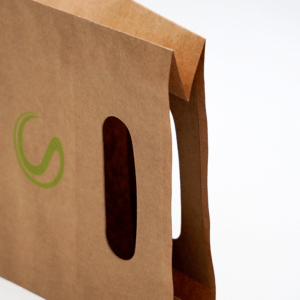
The real foundation of this shift is new materials. Eco-friendly options now match or beat the performance of traditional plastic while cutting environmental impact.
Some standouts include:
- Post-consumer recycled (PCR) plastics and papers that lower virgin material use without changing how packaging looks or performs
- Advanced PLA blends with heat resistance and clarity close to petroleum-based film
- Seaweed-based films with strong oxygen barriers that fully compost
- Mushroom-based packaging that cushions well and breaks down fast in composting systems
Nanotechnology is pushing these materials even further. Nanocellulose can make bio-based materials stronger than steel by weight while staying fully biodegradable. Mineral nanoparticles boost the barrier properties of plant-based films without hurting recyclability or compostability.
Circular Economy Design
Eco-friendly packaging companies are also building circular systems that treat waste as a design flaw, not an unavoidable cost. Instead of the old take-make-dispose model, materials are designed to keep cycling through use, again and again.
Design for circularity means thinking about recovery and reuse from day one, not as an afterthought. This often uncovers smarter structural designs that improve performance while cutting environmental impact at the same time.
Our complimentary design services build circularity into every project. We look at the full material lifecycle to find packaging that can serve more than one use cycle or turn into a resource for something else entirely. This can lower the total cost of ownership while strengthening brand image and customer loyalty.
Manufacturing With Less Waste
Manufacturing itself is changing too. Eco-friendly packaging companies are cutting waste at the source, not just at the end of the line. As a distributor, we actively work with manufacturers using closed-loop water systems that recycle instead of discharge, energy recovery setups that reuse heat from production, and smart cutting software that reduces material waste.
3D printing and other on-demand production methods cut inventory waste while allowing more customization, without slowing anything down. Many of these methods also shorten supply chains, which lowers shipping impact and helps brands respond faster to changing demand.
Helping Customers Understand Eco-Friendly Packaging
New materials only matter if customers know how to use them. Eco-friendly packaging companies pair material innovation with real consumer education so people know how to dispose of packaging correctly and understand the environmental benefit.
QR codes, augmented reality, and embedded sensors give brands a way to share that information directly on the package. These tools also let brands show real transparency about sourcing, production, and end-of-life options.
Our work with health and wellness brands shows how this kind of education builds trust with environmentally conscious shoppers. Clear, honest communication about environmental benefits often becomes a real competitive edge, one that supports premium pricing and stronger customer loyalty.
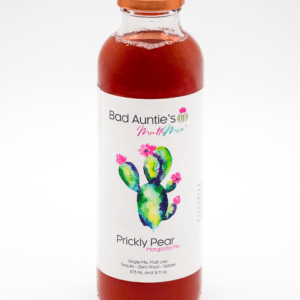
Local partnerships add another layer. Beverage brands, in particular, have built strong community ties by connecting packaging choices to real, local environmental impact.
Supply Chain Transformation
Switching to eco-friendly packaging takes more than a material swap. It means rethinking supplier relationships, logistics, and quality checks across the board. As a premier distributor, this is where Packaging Options USA delivers real value, helping brands build supply networks that protect the environment without sacrificing reliability.
Local Sourcing
Sourcing materials regionally cuts transportation impact, supports local economies, and strengthens supply chain resilience. It often opens the door to using local waste streams as feedstock for eco-friendly packaging, creating circular economy benefits that reach beyond a single company.
Partnerships with local farms let brands use seasonal waste as a low-cost feedstock while solving a disposal problem for growers. These relationships often strengthen rural economies while giving eco-friendly packaging companies a reliable material source.
Working Together on Sustainability
Industry collaboration speeds up eco-friendly packaging adoption through shared research, common standards, and combined purchasing power, which makes these options more affordable for smaller companies. These partnerships usually focus on shared, non-competitive goals that benefit everyone involved.
Shared logistics networks also cut transportation costs and environmental impact for every company involved. This kind of teamwork often gives smaller brands access to eco-friendly packaging options that would otherwise require large minimum orders or setup costs.
Staying Ahead of Regulations
Leading eco-friendly packaging companies help brands work through complicated regulations while preparing for the rules still to come.
Some of the biggest examples right now:
- Extended Producer Responsibility programs that require funding for packaging recovery and recycling
- Single-use plastic restrictions are expanding across states and product categories
- Recycled content mandates that set minimum thresholds for post-consumer material
- Compostability certification rules that keep biodegradation claims honest
- Chemical safety rules restricting harmful additives
- Carbon footprint disclosure rules are pushing more transparency
Staying on top of new legislation across regions lets brands adapt early, which keeps them compliant and often gives them a head start over competitors who wait. This kind of planning often uncovers business opportunities hidden inside regulatory change.
Technology Driving Eco-Friendly Packaging
Digital tools are changing how eco-friendly packaging gets designed, made, and improved. Lifecycle assessment software shows the real environmental impact of a design before it’s ever produced, and material property databases help teams find eco-friendly alternatives fast.
Supply chain software cuts transportation impact through smarter logistics planning, while quality monitoring systems catch production problems early, before they turn into waste. Customer feedback platforms also give brands real insight into disposal habits and packaging preferences, and blockchain tools add transparency to sourcing claims.
Our work with soil and fertilizer packaging shows how this kind of technology can be tailored to specialized environmental needs without sacrificing safety or performance.
The Business Case for Eco-Friendly Packaging
Switching to eco-friendly packaging often pays off in ways that go beyond the environment. Savings from material efficiency, less waste, and smarter operations frequently offset any higher material costs, on top of the brand and loyalty benefits.
Premium positioning built on real environmental credentials supports higher margins that more than make up for increased packaging costs. Research consistently shows that consumers will pay more for eco-friendly packaging, especially when the environmental benefits are clearly explained and backed by credible certifications.
Better designs also tend to follow eco-friendly upgrades, cutting material use, improving space efficiency, and speeding up handling. These gains build over time, creating an advantage that only grows as environmental standards get stricter.
Leading the Shift to Eco-Friendly Packaging
The move toward eco-friendly packaging is one of the biggest business opportunities of this generation. It opens the door to real competitive advantage, better operations, and environmental leadership, the kind that will define successful brands for years to come.
As leaders among eco-friendly packaging companies, we at Packaging Options USA bring the sourcing expertise, logistics know-how, and hands-on support brands need to make this shift work, without getting lost in the complexity of it.
Ready to Switch to Eco-Friendly Packaging?
Partner with Packaging Options USA to source PCR content, bio-based materials, and full sustainable solutions that fit your brand and your budget. We’ll help you boost your sustainability story, stay ahead of regulations, and protect your bottom line.
Eco-friendly packaging is the broader term. It covers any option that reduces environmental harm, including PCR content, while sustainable packaging specifically means materials built for a full lifecycle, like compostable or renewable options.
They use PCR plastics and papers, bio-based films like PLA and seaweed, and materials such as mushroom packaging. These options cut environmental impact while matching the performance of traditional packaging.
It builds brand loyalty, keeps you ahead of new regulations, and often lowers long-term costs. Many consumers will also pay more for products in eco-friendly packaging.