The human brain processes packaging information in milliseconds, forming instant judgments about product quality, brand trustworthiness, and purchase desirability long before conscious evaluation begins. At Packaging Options USA, we’ve studied extensively how custom boxes with a logo function as powerful psychological triggers that influence consumer behavior at both conscious and subconscious levels.
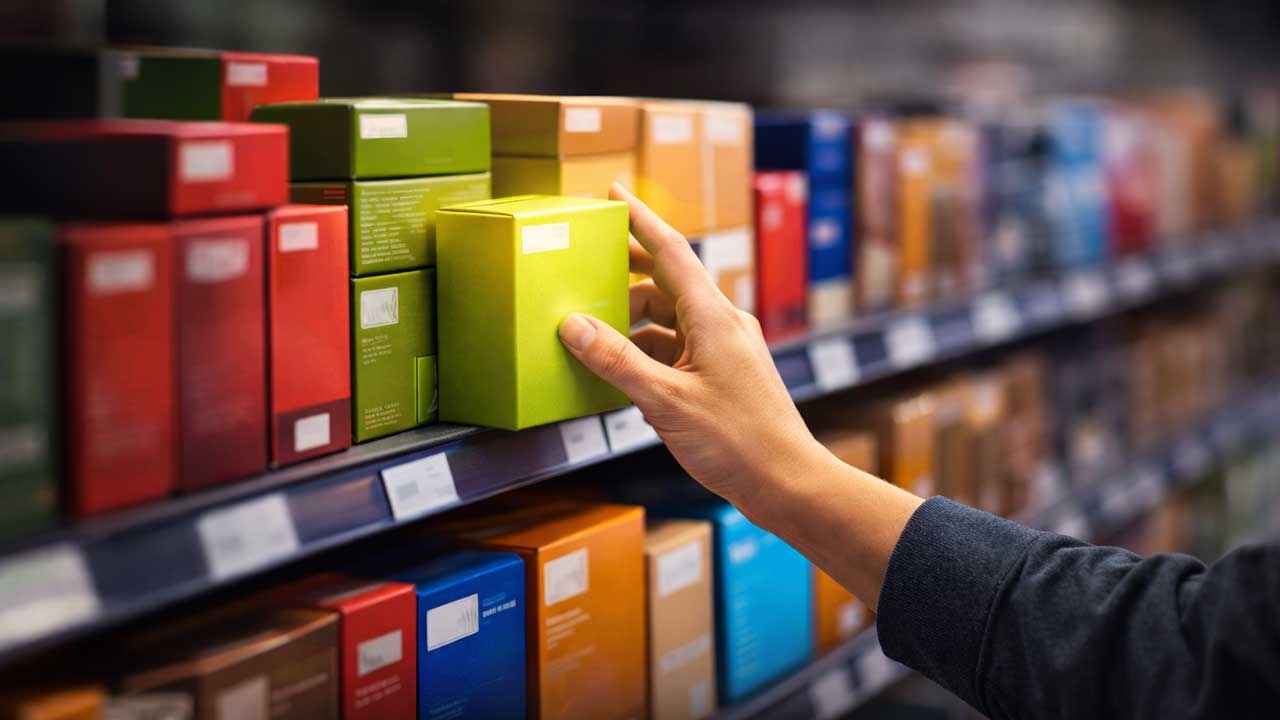
Understanding these psychological mechanisms enables brands to design packaging that creates positive emotional associations, builds trust, and drives purchase decisions through the strategic application of neuroscience principles. The most successful brands recognize that packaging psychology extends far beyond aesthetics to encompass deep-rooted cognitive processes that shape how consumers perceive, remember, and respond to products in competitive marketplace environments.
The Neuroscience of First Impressions
When consumers encounter packaging, their brains initiate complex neurological processes that occur faster than conscious thought. The visual cortex processes shape, color, and spatial relationships within 13 milliseconds, while emotional response centers activate within 100 milliseconds, long before rational evaluation begins. These instant impressions create lasting neural pathways that significantly influence subsequent purchase decisions and brand associations.
Research using fMRI brain imaging reveals that packaging triggers activity in the same neural regions associated with personal identity and self-concept. When consumers encounter packaging that aligns with their self-image or aspirational identity, brain scans reveal increased activation in reward centers, creating positive emotional associations with the brand. This neurological response explains why effective packaging design transcends mere information communication to create emotional connections that drive loyalty.
The mere exposure effect demonstrates that repeated viewing of consistent packaging elements increases positive response through familiarity. Brands that maintain consistent visual elements across touchpoints benefit from cumulative positive associations as consumers encounter these elements repeatedly in various contexts. Our complimentary design services leverage these psychological principles to create packaging that builds positive neural associations through strategic visual consistency.
Color Psychology in Custom Box Design
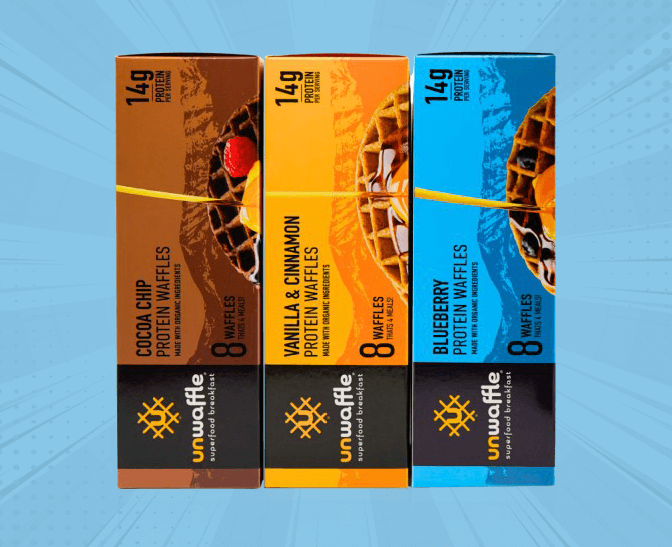
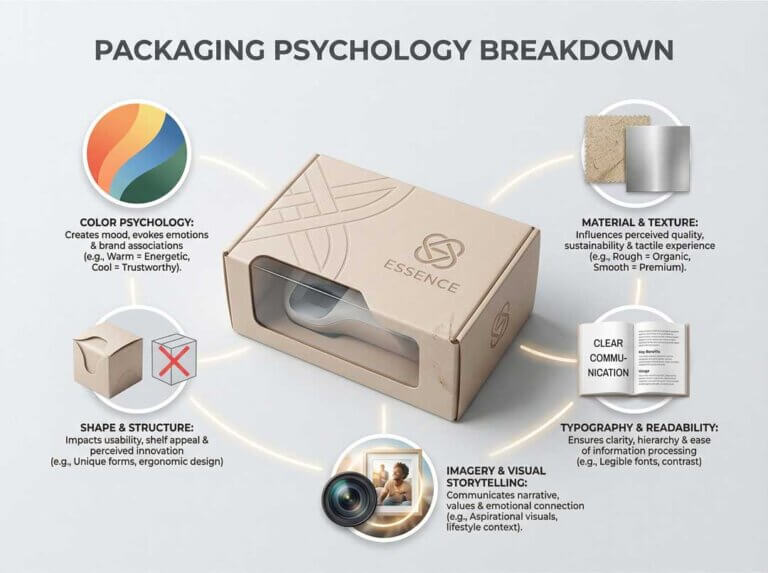 Color represents perhaps the most immediate and emotionally impactful element of packaging design, with research demonstrating that color impressions account for up to 90% of snap judgments about products. Different hues evoke specific psychological and physiological responses, rooted in both evolutionary psychology and cultural conditioning. Red stimulates appetite and urgency, making it particularly effective for food packaging and impulse purchase categories. Blue evokes feelings of trust, reliability, and calmness, explaining its prevalence in healthcare, technology, and financial service packaging.
Green signals naturalness, health, and environmental consciousness, supporting organic and wellness positioning while creating subconscious associations with freshness and purity. Black communicates sophistication, luxury, and premium quality, enabling higher price points through perceived exclusivity. Orange triggers excitement and enthusiasm, making it effective for products targeting young demographics or promoting energy and vitality.
Beyond individual color psychology, contrast ratios significantly impact readability and attention capture, while color temperature subtly influences emotional response. Warm colors create feelings of energy and approachability, while cool colors suggest professionalism and reliability. Strategic color application in food packaging can significantly influence taste perceptions, with consumers rating identical products differently based solely on the packaging color scheme.
Shape and Structure Psychology
- Rounded shapes creating feelings of comfort, safety, and approachability while reducing perceived risk
- Angular designs communicating strength, precision, and technological advancement
- Vertical orientations suggesting growth, aspiration, and premium positioning
- Horizontal layouts implying stability, reliability, and established heritage
- Asymmetrical designs capturing attention through novelty while suggesting creativity and innovation
- Geometric patterns creating order and systematization that appeals to analytical consumers
Material Perception and Quality Associations
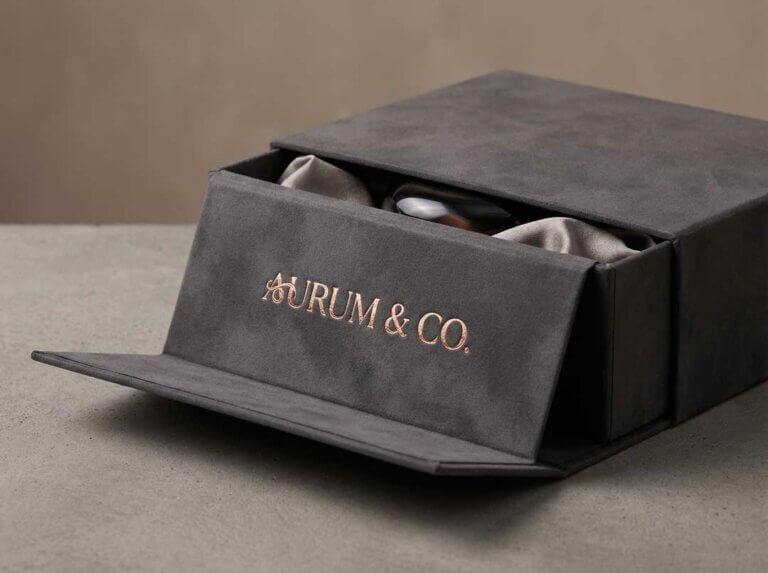 The tactile experience of packaging materials creates immediate quality perceptions that significantly influence willingness to pay and repurchase intent. Heavier materials subconsciously signal higher quality and value, with consumers consistently rating identical products more favorably when packaged in weightier materials. This principle explains why luxury brands often use unnecessarily thick paperboard or multiple material layers that add weight without functional benefit.
Surface texture affects both tactile sensation and visual perception, with smooth finishes suggesting refinement and precision while textured surfaces communicate naturalness or craftsmanship. Rigid materials imply durability and protection, while flexible packaging suggests convenience and modernity. Even subtle variations in material finish, such as matte versus gloss coatings, trigger different psychological responses, with matte and soft touch finishes often associated with premium, natural products and glossy finishes suggesting technology or confectionery items.
Sound psychology plays an underappreciated role in material selection, as the audio signature of opening packaging influences satisfaction and quality perception. The distinctive “pop” of opening a well-sealed container or the crisp sound of tearing perforated edges creates positive psychological associations with freshness and quality, enhancing the overall product experience.
Typography and Font Psychology
Typeface selection communicates brand personality through psychological associations developed over decades of cultural conditioning. Serif fonts evoke tradition, reliability, and established heritage, making them effective for brands emphasizing experience and trustworthiness. Sans-serif typefaces suggest modernity, efficiency, and innovation, appealing to consumers who value contemporary solutions and forward-thinking approaches.
Script fonts create feelings of elegance, personalization, and craftsmanship, while bold sans-serif typography communicates strength, confidence, and authority. Font weight and spacing significantly impact readability and emotional appeal, with generous white space suggesting a premium positioning, while dense typography may appear cluttered or overwhelming.
Typography hierarchy guides consumer attention through packaging information, with strategic font sizing and positioning enabling rapid communication of key benefits and differentiators. Effective typographic design ensures critical information captures attention during the brief moments consumers spend evaluating products at the point of sale.
The Power of Logo Placement and Size
- Top-left positioning leveraging natural reading patterns for maximum early visibility and brand recognition
- Center placement creating focal emphasis while suggesting brand confidence and premium positioning
- Lower positioning enabling product photography to dominate while maintaining brand presence
- Multiple logo applications reinforcing brand recognition throughout unboxing experience
- Size scaling balanced against other elements to create appropriate hierarchy without overwhelming design
- Contrast optimization ensuring logo visibility across diverse lighting and background conditions
- Integration with structural elements making logo appear inherent to package design rather than applied afterthought
Texture and Tactile Psychology
The sense of touch provides rich information about product quality and brand character before consumers even open packaging. Tactile experiences create lasting memories through neural pathways that often prove more durable than visual impressions alone. Soft-touch coatings evoke associations with luxury and craftsmanship, while embossed or debossed elements convey attention to detail and a premium manufacturing process.
Textural contrast within packaging design creates interest and engagement, encouraging physical interaction that strengthens memory formation and emotional connection. Even subtle textural variations—such as spot varnish or foil stamping—provide tactile landmarks that enhance brand recognition and recall.
For health and wellness products, tactile elements can reinforce claims about natural ingredients or artisanal production through materials and finishes that evoke a sense of authenticity and handcrafted quality, rather than a mass-produced feel.
Unboxing Psychology and Experience Design
- Sequential revelation building anticipation and creating memorable moments throughout opening process
- Resistance optimization ensuring opening requires appropriate effort without causing frustration
- Sound design considering audio cues that reinforce quality perceptions and create positive associations
- Surprise elements providing unexpected delights that generate social sharing and word-of-mouth marketing
- Ritual creation establishing repeatable sequences that customers anticipate and look forward to
- Emotional pacing managing excitement levels throughout unboxing to maximize satisfaction and remember
Common Psychological Packaging Mistakes
- Color combinations creating unintended emotional associations or cultural conflicts that alienate target consumers
- Information overload overwhelming visual processing capacity and preventing effective communication
- Inconsistent brand elements confusing recognition and weakening psychological associations
- Poor contrast ratios reducing readability and creating frustration during evaluation process
- Inappropriate material choices sending conflicting signals about product quality or brand positioning
- Complex opening mechanisms creating negative first impressions through functional frustration
- Generic design approaches failing to differentiate products or create memorable psychological impressions
Industry-Specific Psychological Strategies
Different product categories benefit from distinct psychological approaches, based on the consumer’s mindset and decision-making patterns specific to each industry. Beverage packaging often emphasizes refreshment and energy through dynamic graphics and energetic color schemes that suggest taste and satisfaction. Food packaging leverages appetite appeal through photography and colors that enhance perceived flavor and freshness.
Technology products benefit from packaging that conveys innovation and precision through clean lines, minimalist design, and materials that evoke a sense of advanced sophistication. Health products require packaging that conveys safety, efficacy, and trustworthiness through conservative color schemes and authoritative typography.
Luxury goods utilize packaging psychology to justify premium pricing through materials, construction, and design elements that convey exclusivity and superior quality, worthy of an elevated investment.
Harness Psychology to Transform Your Brand With Custom Boxes
Effective packaging psychology requires expertise in neuroscience, consumer behavior, design principles, and material science working together to create comprehensive solutions that influence consumer perception and drive business results. At Packaging Options USA, we specialize in developing custom branded boxes with logos that leverage psychological principles to enhance brand perception, increase purchase intent, and build lasting customer relationships.
Contact us today to discover how packaging psychology can transform your brand’s market performance through custom boxes that connect with consumers on both emotional and rational levels.