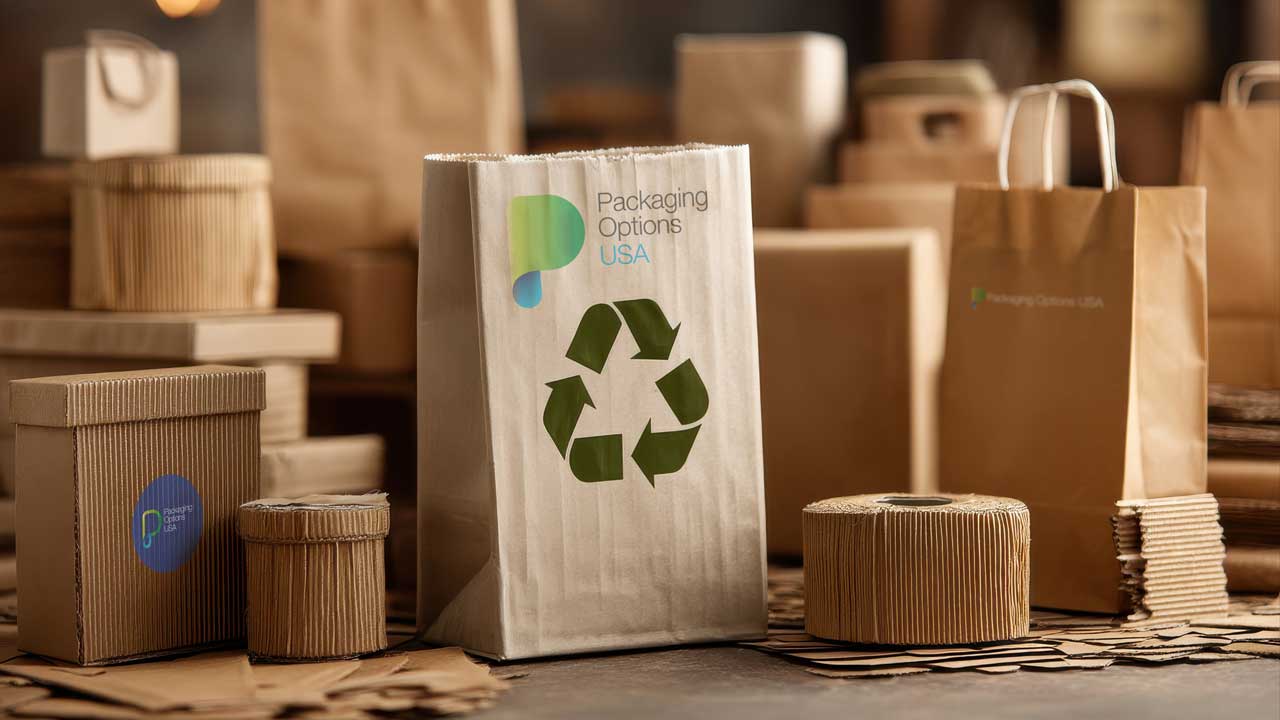
Selecting appropriate materials for food packaging represents one of the most complex challenges in packaging design, requiring a comprehensive understanding of food chemistry, material properties, regulatory requirements, and performance optimization across diverse product categories. At Packaging Options USA, we specialize in developing packaging solutions for food that address the intricate relationships between different food types and packaging materials while ensuring safety, preservation, and regulatory compliance. What do you need to know?
Understanding Food-Material Interactions
The foundation of effective food packaging lies in understanding how different food components interact with packaging materials through migration, permeation, and chemical compatibility mechanisms that can affect both food safety and quality over time. Proteins, fats, acids, and volatile compounds each present unique challenges requiring specific material characteristics and barrier properties.
Migration concerns involve the transfer of substances from packaging materials into food products, which must be controlled to ensure safety while maintaining food quality characteristics. Different materials exhibit varying migration patterns depending on food composition, storage temperature, and contact duration, requiring careful evaluation for each specific application.
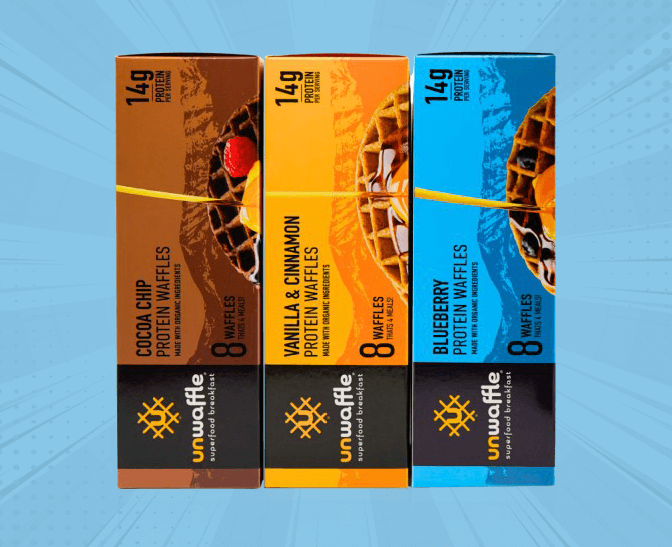
Dry Goods Packaging Material Selection
Low-moisture foods, including cereals, grains, snacks, and dried ingredients, require packaging materials that prevent moisture ingress while providing protection against oxygen, light, and pest contamination. Key substrates we leverage include:
- Metallized films providing excellent moisture and oxygen barriers while maintaining flexibility and printability
- Multi-layer structures combining different polymers to optimize barrier properties and mechanical performance
- Paper-based materials with barrier coatings offering sustainability advantages while providing adequate protection
- Flexible pouches enabling efficient material usage while providing excellent product visibility
High-Fat and Oil-Containing Foods
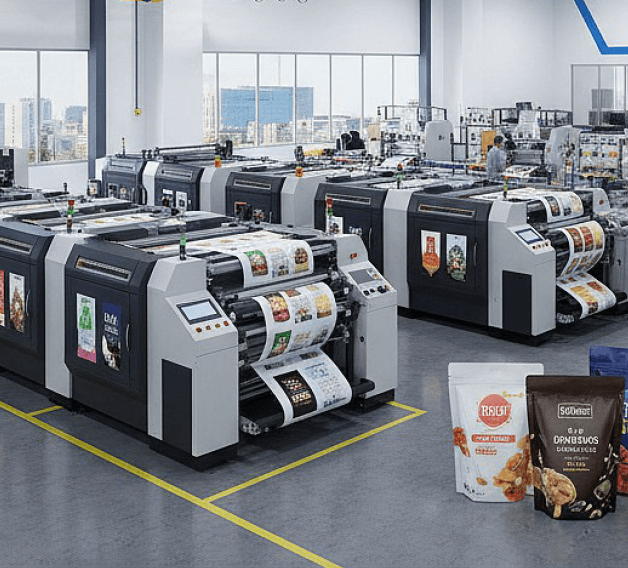
Products requiring thermal processing or hot-fill packaging present material challenges requiring resistance to elevated temperatures while maintaining food contact safety and package integrity throughout processing and subsequent storage.
Packaging Considerations for Thermally Processed Foods:
- Food contact substance approval verification, ensuring materials meet regulatory requirements for intended applications
- Migration limit compliance, confirming that potential migrants remain below established safety thresholds
- Good manufacturing practice adherence, ensuring materials meet quality standards for food contact applications
- Allergen considerations preventing cross-contamination through packaging material selection and handling
Let Us Help With Difficult Material Choices:
Expert Packaging Solutions for Food
The complexity of material selection for food packaging requires expertise spanning food science, material chemistry, regulatory compliance, and economic optimization to achieve solutions that protect product quality while meeting safety, performance, and cost objectives.
At Packaging Options USA, we provide comprehensive packaging solutions for food that address the intricate relationships between product characteristics and material properties while ensuring regulatory compliance and economic viability. Contact our food packaging specialists now, and lean on our material selection expertise to help you position your brand for market success.