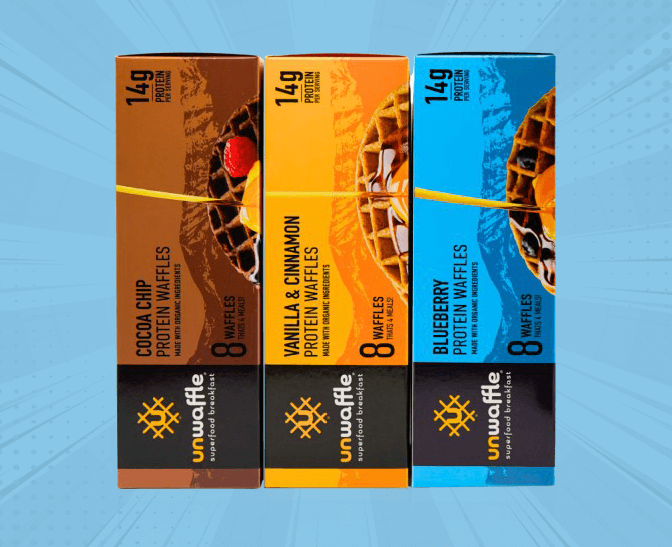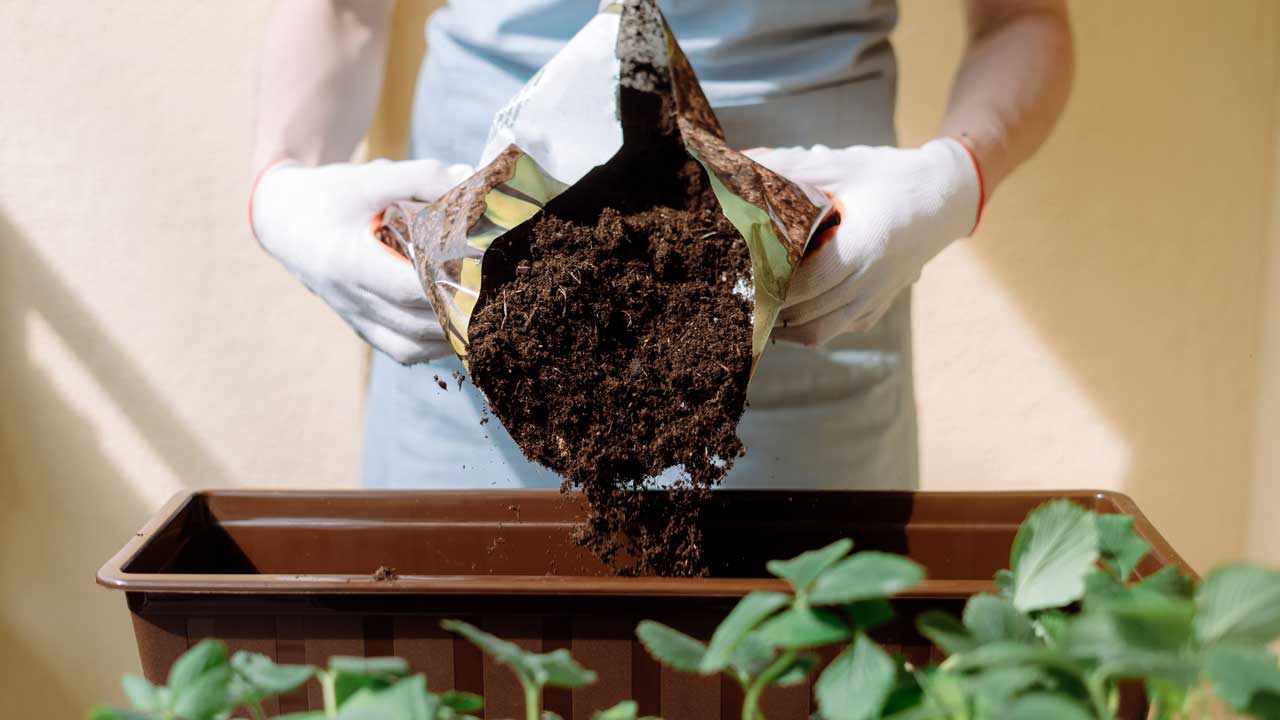
The food industry faces a critical challenge in developing packaging that simultaneously reduces environmental impact and extends product freshness to combat the massive problem of food waste. At Packaging Options USA, we specialize in creating food packaging solutions that prove these objectives are not mutually exclusive but rather complementary goals that can be achieved through intelligent design and innovative materials. Our approach recognizes that effective food packaging solutions must address the complex relationship between packaging efficiency and food preservation, where the right packaging prevents significantly more waste than it creates.
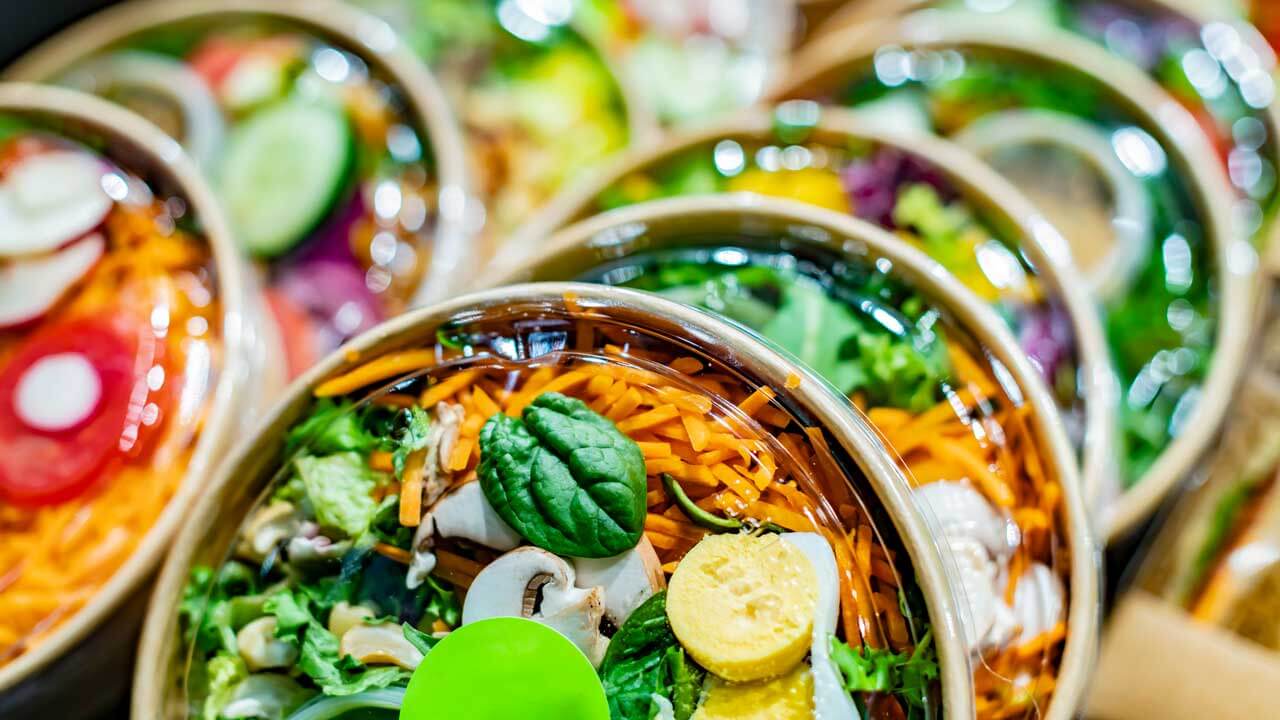
The Food Waste vs. Packaging Waste Dilemma
The materials employed in packaging, such as plastic, paper, or glass, exhibit a lesser environmental impact compared to the food waste generated due to inadequate packaging. Fresh produce benefits from packaging that regulates respiration and moisture, while dairy products require barrier protection against light and oxygen. Each food type presents unique preservation challenges that influence optimal packaging strategies for waste minimization.
Consumer behavior significantly affects both food and packaging waste outcomes through portion selection, storage practices, and disposal decisions. Packaging design can influence these behaviors through clear communication, appropriate sizing, and features that enable proper storage and usage monitoring.
Our comprehensive food product packaging expertise enables the development of solutions that optimize this complex balance through systematic analysis of food characteristics, distribution requirements, and consumer usage patterns.
Right-Sizing Packaging for Optimal Freshness
Package sizing represents a critical factor in minimizing both food and packaging waste through approaches that match container capacity to realistic consumption patterns while maintaining product quality throughout intended use periods. Key points when deciding on product package sizing include:
- Portion control packaging that matches typical consumption patterns to reduce leftover food waste
- Modular systems enabling consumers to select appropriate quantities for their household size
- Resealable features that maintain freshness for partially consumed products
- Graduated sizing options provide choice while optimizing material efficiency
- Multi-serve packaging with individual portion separation, maintaining quality for sequential consumption
- Concentration packaging reduces volume while maintaining nutritional value and convenience
Demographic analysis reveals significant variations in consumption patterns across different consumer segments, with single-person households requiring different portion strategies than large families. Packaging optimization must consider these variations while maintaining economic viability across diverse market segments.
Active Packaging Technologies
Intelligent packaging systems that actively preserve freshness represent breakthrough approaches to extending shelf life while using minimal materials through precise control of product environment rather than simply providing passive barriers. These technologies often achieve dramatic shelf life extensions that far exceed the environmental cost of their implementation.
Oxygen scavenging systems remove oxygen from the package headspace through chemical or enzymatic reactions that prevent oxidation while using minimal additional materials. These systems prove particularly effective for products containing oils, vitamins, or other oxidation-sensitive compounds where conventional packaging provides inadequate protection.
Our complimentary design services team can help develop customized active packaging solutions that incorporate natural preservation compounds, including essential oils, plant extracts, and mineral-based systems, to provide antimicrobial protection while maintaining clean-label positioning preferred by health-conscious consumers.
Barrier Optimization Without Over-Packaging
Achieving necessary product protection while minimizing material consumption requires a sophisticated understanding of barrier requirements and precision engineering that places protection exactly where needed without excess material usage in non-critical areas. Key points to note include:
- Barrier property mapping, identifying specific protection requirements for different package areas
- Multi-layer optimization using minimal material thickness while achieving necessary protection levels
- Selective barrier application providing protection where environmental threats are greatest
- Structural integration incorporating barrier properties into load-bearing package elements
- Progressive barrier systems providing different protection levels throughout product consumption
- Smart barrier materials that adjust protection based on environmental conditions
Advanced testing protocols validate barrier optimization approaches under real-world conditions rather than theoretical laboratory scenarios, ensuring adequate protection while avoiding over-engineering that wastes materials without improving product outcomes.
Biodegradable Solutions for Fresh Foods
Compostable and biodegradable packaging options address waste concerns while often providing adequate protection for fresh and minimally processed foods that benefit from packaging that integrates safely into natural systems after use. These solutions work particularly well for products with a short shelf life where environmental integration offers clear benefits.
Plant-based films derived from seaweed, corn starch, or other renewable resources now provide barrier properties sufficient for fresh food applications while biodegrading completely under appropriate composting conditions. Advanced formulations achieve clarity, flexibility, and seal strength comparable to conventional films while maintaining environmental advantages.
Our expertise with health and wellness products demonstrates how biodegradable packaging can align with consumer values while providing protection sufficient for products emphasizing natural and organic positioning.
Modified Atmosphere Packaging Efficiency
Optimized gas atmosphere modification extends shelf life dramatically while using standard packaging materials more effectively through precise control of oxygen, carbon dioxide, and nitrogen levels that slow respiration and inhibit spoilage organisms.
Gas Mixture Optimization
Determining optimal atmospheric conditions requires an understanding of specific food respiration patterns, spoilage mechanisms, and packaging material gas transmission characteristics to create environments that maximize preservation while minimizing gas consumption and package complexity.
Fresh produce benefits from modified atmosphere packaging that slows respiration while maintaining quality characteristics, including color, texture, and nutritional content. Different products require different gas mixtures, with some benefiting from reduced oxygen while others need specific carbon dioxide levels.
Packaging Integration Strategies
Incorporating MAP technology into efficient packaging designs requires balancing gas retention capabilities with material efficiency and structural requirements. Advanced sealing technologies maintain atmospheric composition while using minimal barrier materials through optimized package geometry and closure design.
Smart packaging integration enables monitoring of atmospheric conditions throughout distribution and storage, providing feedback that optimizes system performance while ensuring food safety and quality maintenance.
Reusable and Refillable Systems
Circular packaging models eliminate single-use waste while maintaining food safety and freshness through an innovative system design that enables multiple use cycles without compromising hygiene or product protection standards. Examples include:
- Glass containers designed for professional cleaning and refilling while maintaining food-grade safety standards
- Stainless steel systems providing durability and thermal performance for temperature-sensitive products
- High-performance plastics engineered for multiple use cycles while maintaining barrier properties
- Modular systems enabling component replacement while extending overall package life
- Deposit systems incentivizing return while ensuring economic viability for reusable packaging programs
- Digital tracking enabling efficient collection, cleaning, and redistribution of reusable containers
Our experience with beverages demonstrates how reusable packaging can create competitive advantages while reducing environmental impact through systems optimized for efficient collection, cleaning, and redistribution.
Smart Expiration and Freshness Indicators
Intelligent packaging features that provide real-time freshness information reduce food waste by giving consumers accurate product condition data, enabling informed consumption decisions rather than relying on conservative expiration dates that often result in premature disposal of safe, nutritious food. Examples of indicators include:
- Color-changing indicators that provide visual freshness status based on product condition rather than elapsed time
- Temperature history monitoring revealing whether products were maintained in proper cold chain conditions
- Gas composition sensors detecting spoilage gases before organoleptic changes become apparent
- pH indicators showing chemical changes that precede visible spoilage signs
- Enzyme-based systems providing product-specific freshness information tailored to specific food types
- Digital integration, enabling smartphone-based freshness assessment and consumption guidance
- Predictive algorithms providing personalized recommendations based on storage conditions and consumption patterns
These technologies often reduce food waste more effectively than extended shelf life approaches while providing consumer education that improves food handling and storage practices throughout the supply chain.
Food Packaging Solutions for Bulk and Concentrate Formats
Concentrated products and bulk packaging reduces material consumption per serving while maintaining freshness through specialized preservation approaches that address the unique challenges of concentrated formulations and large package sizes.
Concentrated formulations reduce packaging requirements through volume reduction while often improving shelf stability through reduced water activity, inhibiting spoilage organisms. Liquid concentrates, dried ingredients, and frozen concentrated products each present unique packaging challenges and opportunities for waste reduction.
Our expert knowledge of sauces, oils, and spices enables the development of specialized packaging that maintains quality while minimizing environmental impact through efficient formulation and packaging approaches.
Consumer Education and Packaging Design
Packaging design plays a crucial role in educating consumers about proper storage, portion sizing, and usage optimization, thereby minimizing both food and packaging waste through informed consumption behaviors and disposal practices.
Clear storage instructions help consumers maintain product quality while portion guidance prevents over-preparation that leads to food waste. Visual cues, including transparent windows, enable quality assessment while consumption tracking features help consumers monitor usage patterns.
Educational messaging about proper disposal procedures will help sustainable packaging materials reach appropriate waste streams, while composting guidance enables environmental integration for biodegradable options.
Interactive features, including QR codes, provide access to detailed information about food handling, recipe suggestions for leftover utilization, and sustainability information that builds consumer engagement with waste reduction objectives.
Expert Food Packaging Solutions that Optimize Freshness and Minimize Waste
Developing packaging that effectively minimizes waste while maximizing product freshness requires expertise spanning food science, packaging technology, consumer behavior, and environmental impact assessment. At Packaging Options USA, we provide comprehensive food packaging solutions that address the complex relationships between preservation effectiveness, material efficiency, and environmental responsibility. Contact our food packaging specialists today, and learn how we can help your brand reduce environmental impact while enhancing product freshness and consumer satisfaction.